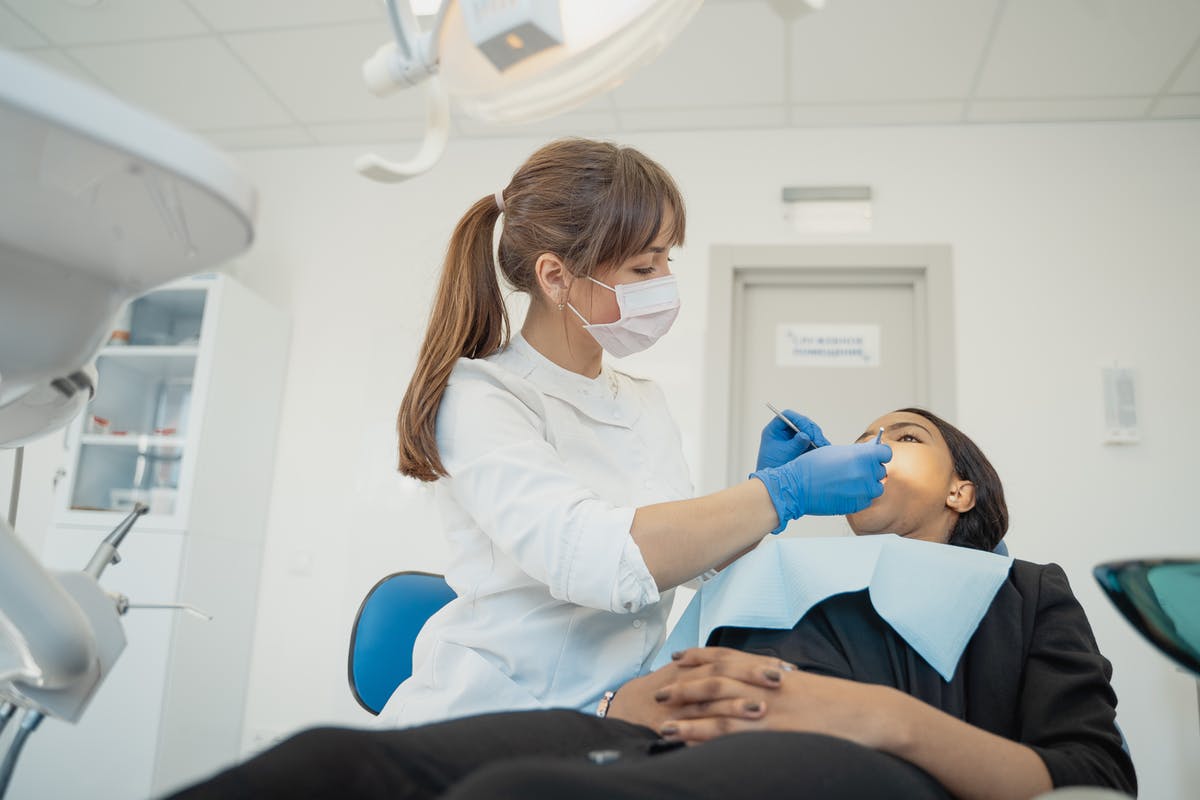
Picking a dentist used to be simple. You found someone close to home, checked that they took your insurance, and stuck with them until they retired or you moved away. Families today are asking for more than proximity and a filled appointment slot. A household might include a toddler who has never sat in a dental chair, a teenager juggling braces and sports mouthguards, a parent managing work stress that shows up as jaw tension, and a grandparent adjusting to a new denture. One practice rarely serves all of those needs equally well, which is exactly why the search for a family dentist deserves more thought than a quick online search and a coin flip.
This guide walks through what actually matters at each life stage, what questions separate a good fit from a mediocre one, and how to weigh the practical details, like hours and location, against the clinical ones, like training and technology. The goal is not to find a perfect dentist. It is to find one your whole family will actually see regularly, because the best dental plan in the world does nothing if nobody wants to go.
Why Family Dentistry Looks Different Now Than It Used To
Dental care has shifted from a purely reactive model, where you show up when something hurts, to a preventive one built around regular monitoring, early intervention, and patient comfort. That shift matters more for families than for single adults, because kids who have positive early experiences tend to keep up with checkups as adults, while a scary first visit can create avoidance that lasts decades.
At the same time, dental offices themselves have changed. Digital X-rays reduce radiation exposure, intraoral cameras let patients see what the dentist sees, and same-day scheduling software has made it easier for practices to fit in urgent visits without disrupting a school or work day. None of this is universal yet, though, so it is worth asking about rather than assuming.
Finally, more households are choosing independently owned practices over larger corporate dental groups, largely because of continuity of care. When the same dentist sees a patient year after year, they notice small changes that a rotating cast of providers might miss. That continuity is one of the biggest reasons families stick with a practice once they find the right one.
What Toddlers and Young Children Need From a Dental Visit
The first dental visit sets the tone for everything that follows, and pediatric dentistry has its own rhythm compared to adult care. Young children need shorter appointments, simple language instead of clinical jargon, and a treatment room that does not feel intimidating. A dentist who is comfortable narrating what they are doing in kid-friendly terms, letting a child hold and examine tools before they are used, and pacing the visit around the child’s attention span will get far better cooperation than one who treats a four-year-old like a small adult.
Parents in growing communities are increasingly specific in how they search, looking for a kid-friendly dentist in Ocala, FL rather than just any general practice, because the difference in approach is noticeable from the very first cleaning. A practice that regularly sees children usually has smaller equipment sized for little mouths, staff trained in behavior guidance techniques, and a waiting area that does not feel like a sterile hallway.
It also helps to ask how a practice handles the transition from baby teeth to permanent teeth, since this stretch of childhood involves the most change. Sealants, fluoride treatments, and early orthodontic screening are all things a pediatric-focused dentist should be discussing proactively rather than waiting for a parent to ask.
What School-Age Kids and Teenagers Look For in a Dentist
Once children reach school age, dental visits start to overlap with sports, extracurriculars, and eventually orthodontic treatment. A dentist who works well with this age group needs to balance efficiency with patience, since these kids are old enough to understand what is happening but still benefit from clear, calm explanations rather than rushed instructions.
Mouthguards for contact sports, monitoring for cavities in the deeper grooves of newly erupted molars, and coordination with an orthodontist if braces are in the picture all become relevant during these years. A practice that keeps digital records and communicates clearly with any specialists involved in a teenager’s care saves families from having to repeat the same history at every appointment.
Teenagers also respond to being treated with a bit more autonomy than younger children. Dentists who explain treatment options directly to the teen, not just to the accompanying parent, tend to build better long-term habits, because the patient starts to feel ownership over their own oral health rather than treating it as something done to them.
What Adults in Their Prime Working Years Actually Need
Adult patients often have the least flexible schedules and the most competing priorities, which means efficiency and reliability matter enormously. Missed appointments, long waits, or confusing billing processes are the kinds of friction that push working adults to skip routine care entirely, even when they know better.
This age group also starts to see the cumulative effects of years of wear: teeth grinding from stress, enamel erosion from acidic diets, or the first signs of gum recession. A dentist who takes time to ask about lifestyle factors, not just symptoms, is more likely to catch these issues early rather than after they have become painful or expensive to fix.
Financing and insurance flexibility matter here too. Many working adults are paying for their own care directly or navigating employer dental plans with specific coverage limits, so a practice that is upfront about costs and offers financing options for larger treatments removes a real barrier to getting necessary work done on time.
Why Comfort Features Matter More As Patients Get Older
Anxiety around dental visits does not disappear with age. In fact, older adults who had negative experiences decades ago sometimes carry that discomfort into every future appointment. Small comfort details, such as a heated chair, a warm blanket, or the option to watch television during a longer procedure, can make a measurable difference in how willing someone is to sit through treatment without dread.
These details are not just about pampering. Reduced physical tension in a patient’s shoulders and jaw actually makes procedures easier for the dental team to perform, since a relaxed patient is easier to work with than a rigid, anxious one. Practices that invest in this kind of environment tend to see it reflected in patient retention, because people are simply more willing to keep appointments they do not dread.
For older patients managing chronic conditions like arthritis or limited mobility, physical comfort in the chair itself, not just emotional comfort, becomes a practical consideration. Asking how a practice accommodates patients with mobility challenges is a reasonable question and one that a good office should be able to answer without hesitation.
What to Ask About Emergency and Same-Day Care
Dental emergencies rarely happen at a convenient time, and how a practice handles them says a lot about their overall patient care philosophy. A chipped tooth before a big presentation, a child who falls off a bike and knocks a tooth loose, or sudden severe pain over a weekend all require some kind of response plan.
It is worth asking directly whether a practice offers same-day appointments for urgent issues, how they handle after-hours calls, and whether both adults and children are seen for emergency visits or whether pediatric emergencies get referred elsewhere. Some practices route all emergency calls through their regular office number rather than maintaining a separate emergency line, which can still work well as long as the response time is reasonable.
Families with multiple children in particular benefit from knowing this ahead of time rather than scrambling to find an emergency dentist mid-crisis. A quick conversation during a routine visit about what to do if something happens after hours can save a lot of stress later.
How Location and Office Hours Affect Whether You Actually Go
The most credentialed dentist in the world does not help a family that cannot realistically get to appointments. Office hours that align with work and school schedules, reasonable drive times, and enough appointment availability to avoid weeks-long waits all affect whether preventive care actually happens consistently.
Practices with multiple providers on staff tend to offer more scheduling flexibility, since a larger team can accommodate more patients without long waits between cleanings. This is especially useful for larger families trying to book multiple appointments close together, or for anyone who needs a follow-up visit sooner rather than later.
It also helps to consider how a practice communicates scheduling. Online booking, text reminders, and patient portal access all reduce the mental overhead of managing dental care for an entire household, which matters more than it sounds like when you are the one keeping track of five different sets of teeth.
What Independent Practices Offer That Larger Groups Sometimes Don’t
Dental service organizations have grown significantly over the past decade, consolidating many practices under shared ownership and standardized protocols. There are advantages to that model, but there are also tradeoffs, particularly around continuity of care and the flexibility to make decisions based on an individual patient’s situation rather than a corporate policy.
Families searching for an independent dentist in Ocala, FL are often looking for exactly that kind of flexibility, along with the sense that the person examining their teeth today will likely be the same person doing it next year. Independent practices also tend to have more discretion in how they invest in patient comfort and technology, since those decisions do not have to clear layers of corporate approval.
None of this means larger groups provide worse care. It simply means the ownership structure behind a practice can shape the day-to-day experience in ways that are worth understanding before committing to a provider for your entire family’s long-term dental home.
Why Denture and Tooth Replacement Options Matter for Grandparents
Family dentistry does not stop at working-age adults. Many households include grandparents or older relatives who need more involved restorative care, including partial or full dentures, and finding a practice equipped to handle that alongside routine pediatric and adult care simplifies life considerably.
Adults exploring denture fittings in Ocala, FL are usually looking for more than a one-time fitting. A properly fitted denture requires follow-up adjustments as the mouth changes shape over the following months, along with guidance on care, cleaning, and what to do if a fit starts to feel loose or uncomfortable. A practice that treats denture care as an ongoing relationship rather than a single transaction tends to produce better long-term comfort for the patient.
Having this kind of restorative care available under the same roof as pediatric and general dentistry also means a multigenerational family can coordinate appointments more easily, sometimes even scheduling grandparent and grandchild visits on the same day at the same office.
How to Evaluate a Practice’s Approach to Anxiety and Sensory Needs
Dental anxiety affects a meaningful share of both children and adults, and sensory sensitivities can make a standard dental visit genuinely difficult for some patients, including those with autism or sensory processing differences. Asking how a practice handles these situations, rather than assuming every office manages them the same way, can save a lot of frustration.
Simple accommodations make a real difference: noise-canceling headphones, weighted blankets, dimmed lighting, or the option to pause a procedure and take a break. Staff who are trained to recognize escalating anxiety and adjust their pace accordingly can turn a potentially traumatic appointment into a manageable one.
It is reasonable to call ahead and ask specific questions about these accommodations before booking a first visit, especially for a child or family member who has struggled with dental appointments in the past. A practice that answers these questions thoughtfully, rather than seeming caught off guard, is usually a good sign.
Questions to Ask Before You Book a First Appointment
A short list of direct questions can reveal more about a practice than browsing a website ever will. Asking how many dentists are on staff and whether you will see the same provider at each visit clarifies whether continuity of care is realistic. Asking about typical wait times for both routine and urgent appointments sets expectations before you need one urgently.
It also helps to ask about payment structure directly: which insurance plans are accepted, whether financing options exist for larger treatments, and whether a membership or savings plan is available for households without dental insurance. These financial details affect whether ongoing care is sustainable for a family budget, not just whether a single visit is affordable.
Finally, ask what a first visit actually involves for each age group in your household. A practice that can clearly describe what a toddler’s first cleaning looks like, separate from what a teenager’s orthodontic consultation looks like, separate from what an older adult’s denture check looks like, is one that has genuinely thought through multigenerational care rather than applying a single template to everyone.
How to Make the Switch If Your Current Dentist Isn’t Working For Everyone
Switching dentists can feel like an unnecessary hassle, especially if records need to be transferred and a new relationship needs to be built from scratch. But a mismatch between a practice and a family’s actual needs, whether that is scheduling conflicts, a lack of pediatric comfort, or limited restorative options, tends to get worse over time rather than better.
The easiest way to make a switch is to request dental records from the current provider ahead of the first new appointment, so the new dentist has a full picture of history rather than starting blind. Most offices handle this transfer routinely and it rarely takes more than a signed release form.
It also helps to be honest during the first visit at a new practice about what was not working before. A dentist who understands that a child had a scary experience at a previous office, or that a parent felt rushed through appointments, can adjust their approach accordingly rather than repeating the same pattern that led to the switch in the first place.
Choosing a dentist for an entire family is rarely about finding a single perfect answer. It is about weighing comfort, continuity, scheduling, and the specific needs of each person in the household, then finding the practice that handles the most of those priorities well. Taking the time to ask real questions before booking that first appointment pays off in fewer missed visits, less anxiety, and a dental home that can actually grow with your family over the years.