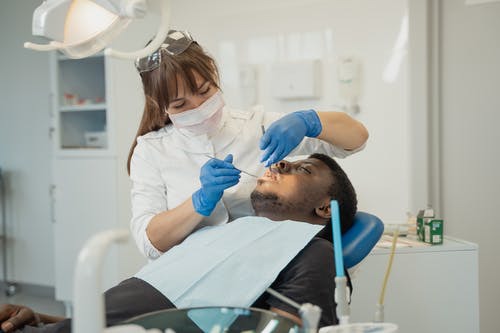
Somewhere along the way, many adult children notice small changes at the dinner table. A parent starts cutting food into tiny pieces, skips the steak they used to love, or chews carefully on one side of the mouth. Sometimes a denture clicks or slips during a conversation, and they laugh it off. Other times they simply smile with their lips closed in family photos. These moments often point to the same thing: missing or failing teeth that are quietly changing how a parent eats, talks, and feels about themselves.
When the subject of replacing those teeth comes up, dental implants for seniors is one of the first options families start reading about. It is also one that raises a lot of questions. Is my mother too old for surgery? Will my father heal well with his diabetes? Is this worth it at this stage of life? This guide walks through what families typically want to know, how to support a parent through the decision, and how to help once treatment begins. Every person is different, so think of this as a way to prepare for a good conversation with a dentist, and with your parent.
Why Missing Teeth Matter More Than They Seem in Later Life
It is easy to treat a missing back tooth as a minor inconvenience. For older adults, though, the effects can build on each other. When chewing becomes harder, people tend to drift toward softer, more processed foods and away from fresh vegetables, nuts, and lean meats. Over time that can affect nutrition and energy, which matters a great deal for someone who is also managing other health conditions.
There is a structural side as well. The jawbone is shaped and maintained in part by the roots of the teeth sitting in it. When a tooth is lost, the bone in that spot can gradually shrink. Neighbouring teeth may tilt into the gap, and the bite can shift. Over years, this can change the shape of the lower face and make future tooth replacement more involved.
Then there is the social piece. Many seniors become self-conscious about gaps or loose dentures and start avoiding restaurants, group meals, or even long phone calls with grandchildren. Families often notice a parent withdrawing before they realize teeth are part of the reason. Paying attention to these patterns is a caring first step.
How Dental Implants Work, Explained Simply
A dental implant replaces both the visible tooth and its root. A small post, usually made of titanium, is placed into the jawbone where the tooth used to be. Over the following months, the bone typically grows around and bonds with that post, giving it a stable foundation. A connector piece called an abutment sits on top, and a custom crown, bridge, or denture is attached to it.
Because the implant sits in the bone, it can help stimulate that area in a way a denture resting on the gums does not. This is one reason dentists often discuss implants when bone preservation is a concern. Implants can replace a single tooth, several teeth in a row, or support a full arch of replacement teeth for someone who has lost most or all of their teeth.
For seniors who already wear a full denture, there are also implant-supported or implant-retained dentures. In these cases, a small number of implants may be placed to anchor the denture so it stays put while eating and speaking. Many people find this a helpful middle ground, and it is worth asking about if your parent is frustrated with a loose denture.
Is Anyone Too Old for Dental Implants?
This is often the first worry families raise, and it is a fair one. In general, dentists tend to look at overall health, bone quality, and healing ability more than the number of candles on the birthday cake. Plenty of people in their seventies, eighties, and beyond are evaluated for implants, and whether they are a good fit varies from person to person.
What usually matters more is how well a person is likely to heal and how comfortable they will be during the procedure and recovery. A healthy, active eighty-year-old may be a stronger candidate than a younger person with several uncontrolled conditions. The dentist will typically review medical history, medications, and imaging of the jaw before discussing options.
So if your parent says, “I’m too old for that,” it may be worth gently suggesting that the dentist weigh in. They might still decide another option suits them better, and that is completely fine. The point is that age alone rarely settles the question.
Health Factors a Dentist Will Usually Review
Before recommending any approach, a dentist will typically ask detailed questions about health. Conditions like diabetes, heart disease, osteoporosis, and autoimmune disorders can affect healing. Well-managed conditions may not rule out implants, but they can shape the timeline and the planning.
Medications deserve special attention. Blood thinners, certain osteoporosis drugs, steroids, and some cancer treatments may change how a dentist approaches surgery. This is where families can be a real help. Bring an up-to-date list of every prescription, supplement, and over-the-counter medicine your parent takes, along with contact details for their physician. A dentist may want to coordinate with the doctor before moving forward.
Bone volume is another factor. If a tooth has been missing for a long time, there may be less bone available to hold an implant. In some cases, a bone graft can be discussed to rebuild the area first, which adds time to the process. Smoking, gum disease, and dry mouth (a common side effect of many medications) are other things the dentist will likely look at and talk through.
Comparing Implants, Dentures, and Bridges for an Older Adult
Implants are one choice among several, and the best fit depends on your parent’s health, preferences, and priorities. Traditional removable dentures are typically quicker to make and involve no surgery. Many people adapt to them well. Others find that dentures loosen as the jaw changes, rub sore spots, or make certain foods difficult.
A fixed bridge uses the teeth on either side of a gap as anchors for a replacement tooth. It can be a good option when those neighbouring teeth already need crowns. The trade-off is that healthy tooth structure may need to be reshaped to support the bridge, and a bridge does not replace the root under the gap.
Implants tend to involve more steps and a longer overall timeline, since healing between stages can take months. In return, many people find them stable and comfortable for chewing, and they can help with bone preservation in the treated area. How long implants last varies from person to person and depends heavily on home care and regular checkups. A good dentist will explain the pros and cons of each path for your parent specifically, so it helps to go in with an open mind.
Starting the Conversation With an Aging Parent
Talking about teeth can feel surprisingly personal. Some parents are embarrassed, some are worried about cost, and some have had bad dental experiences decades ago that still shape how they feel. Leading with curiosity tends to go further than leading with a solution. You might start with something like, “I noticed you’ve been skipping some of your favourite foods. Is your mouth bothering you?”
Listen for what matters most to them. One parent might care most about eating corn on the cob at the summer barbecue again. Another might want to stop worrying about their denture slipping at church or during card night. Knowing their personal goals helps you and the dentist focus on what will make a real difference in their daily life.
Try to avoid making the decision for them, even if you are the one driving to appointments or helping with finances. Older adults usually feel more confident about treatment when they are clearly in charge of the choice. Your role is to gather information, ask good questions, and offer practical support.
Questions Worth Bringing to the First Consultation
Going into a consultation with a short written list keeps the visit focused, especially when there is a lot of new information. Some families like to bring a notebook so one person can take notes while the parent talks with the dentist. Helpful questions include: Which options might be appropriate for my parent, and why? How many stages would treatment likely involve, and how far apart? What does recovery typically look like after each stage?
It is also smart to ask how the dentist will work with your parent’s medical team, what sedation or comfort options are available, and what aftercare will be expected at home. If your parent wears a denture now, ask whether they would have a temporary option during healing so they are never without teeth in public.
Finally, ask how the practice handles follow-up visits. Implants and other restorations generally need regular checkups and professional cleanings, so it helps to choose an office that is convenient to reach. Many families appreciate a practice that can see more than one generation, so that a parent’s appointments can sometimes line up with a grandchild’s cleaning. In Arizona, for example, Diazo Family Dental and Braces in Phoenix sees patients of all ages across two locations in the city, which is the kind of setup that can make coordinating care a little easier for a busy household.
When Language Is Part of the Picture
For many families, there is another layer to these conversations: language. A parent who grew up speaking Spanish, Vietnamese, Tagalog, or another language may understand everyday English perfectly well and still feel lost when a dentist starts explaining abutments, bone grafts, and healing timelines. Medical decisions are hard enough without wondering whether you understood the details correctly.
Adult children often step in as interpreters, which is loving but can be tiring and imperfect. Important nuances can slip through, and a parent may hold back questions to avoid burdening their child. When possible, look for a dental team that can speak with your parent directly in their preferred language. Bilingual offices, such as one offering English and Spanish family dentistry in Phoenix, can let a parent ask questions in their own words while the rest of the family follows along comfortably.
Written information helps too. Many parents like to read about a procedure on their own time, in the language they think in, before and after the appointment. If your mother or grandfather is more comfortable reading in Spanish, a page about implantes dentales para reemplazar dientes perdidos can give them a calm, private way to learn the basics and come up with their own questions. Feeling informed in their own language can make a big difference in how confident they feel about the decision.
Getting Ready for Treatment Days
Once a plan is in place, a little preparation can make procedure days smoother for everyone. Confirm transportation well ahead of time, since your parent may not be able to drive after sedation. Ask the office for any pre-visit instructions, such as whether to eat beforehand or adjust any medications, and write them down clearly.
Stock the kitchen before the procedure. Soft, nourishing foods like yogurt, scrambled eggs, mashed potatoes, soups, smoothies, oatmeal, and flaked fish are good to have on hand. Lukewarm or cool foods are often more comfortable for the first day or two than very hot ones. Prepping a few meals in advance means nobody is scrambling while your parent is resting.
Set up a comfortable recovery spot at home with extra pillows to keep the head slightly elevated, a water bottle, any prescribed medications, the dentist’s aftercare sheet, and the office phone number. If your parent lives alone, consider arranging for someone to stay with them for the first night or check in several times that day.
Helping a Parent Through Healing at Home
Recovery experiences vary widely. Some people feel mild soreness and swelling for a few days, while others need a bit more time. Following the dentist’s specific aftercare instructions is the most important thing, and family members can help by gently keeping track of medication times and reminding a parent to avoid chewing on the treated side.
Watch for anything the dentist told you to report, such as bleeding that does not settle, swelling that increases after the first few days, fever, or unusual pain. Older adults sometimes downplay discomfort so as not to worry their children, so checking in with specific questions can help. “How does it feel when you drink water?” often gets a more honest answer than “Are you okay?”
Healing between stages can take a few months while the bone bonds with the implant. During this period, your parent may have a temporary tooth or denture. Encourage patience and keep celebrating small milestones. Being able to enjoy a favourite soft meal comfortably again is worth noticing.
Daily Care Once the New Teeth Are In
Implants cannot get cavities, but the gums and bone around them still need care. Gum inflammation around an implant can develop if plaque builds up, so daily brushing and cleaning between teeth remain essential. The dentist may recommend tools like a water flosser, interdental brushes, or a soft electric toothbrush, which can be easier for hands affected by arthritis.
For parents with limited dexterity or memory concerns, family members or caregivers may need to help with daily cleaning. Ask the dental team to show you exactly how to clean the implant restoration so you feel comfortable doing it. For implant-retained dentures, there may be specific steps for removing, cleaning, and reattaching the denture.
Regular checkups and professional cleanings help catch small issues early. Put recurring appointments on a shared family calendar so they do not get lost among other medical visits. Some families pair dental visits with another errand or a lunch out, which turns the appointment into something your parent looks forward to.
Thinking About Cost Without Letting It Stall the Decision
Cost is a real consideration for many retirees living on fixed incomes, and it often becomes the reason families put off the conversation entirely. The truth is that costs vary a great deal depending on how many teeth are being replaced, whether bone grafting is needed, and what type of restoration is chosen. The only reliable way to know is to get an estimate from the dental office after an evaluation.
When you meet with a practice, ask them to explain costs and any insurance considerations before treatment starts, and ask whether they offer payment options. Some families split costs among siblings, while others phase treatment over time, starting with the area that affects chewing most. Comparing the estimate for implants with the estimates for other options can also help your parent weigh what feels right.
Try to frame cost as one factor alongside comfort, health, and quality of life. Knowing the actual numbers usually feels better than worrying about unknown ones, and it allows the whole family to plan with clear eyes.
Keeping Your Parent at the Centre of the Choice
Replacing missing teeth in later life is a personal decision, and there is no single right answer. For some seniors, implants may bring back the confidence to eat, laugh, and socialize without second-guessing. For others, a well-fitted denture or bridge may be the better fit for their health and goals. What matters most is that your parent feels heard, informed, and supported in whatever they choose.
As a family, you can help by noticing the early signs, opening the conversation gently, gathering the right information, and showing up with practical help on treatment days. Those small acts of care often matter as much as the treatment itself. And when your parent sits down to a favourite meal again, comfortable and smiling, everyone at the table gets to share in that moment.